Sweat Now Glow Later Retro Svg Design Review
As a designer who spends more time looking at stitch density charts than actual social media feeds, I approach every new digital asset with a healthy dose of skepticism. The market is flooded with generic clipart, and finding a design that actually translates well from a screen to a needle is rare. Recently, I pulled Sweat Now Glow Later Retro Svg Design into my workflow to see if it holds up in real-world embroidery scenarios. This isn't just about the slogan; it is about whether the visual personality of this wavy retro aesthetic can survive the physical constraints of thread, fabric, and hoop size.
First Impressions: Mood and Visual Personality
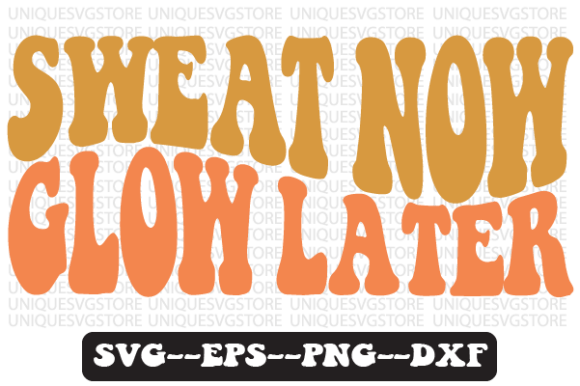
The moment you open the file, the vibe is immediate. We are talking 70s-inspired grooviness. The typography is soft, undulating, and heavily stylized, which gives it a distinct "retro" feel without relying on cliché fonts. For an embroidery project, this mood is crucial. It suggests leisure, wellness, and a bit of nostalgia. It feels like something you would wear on a weekend morning or use as decor in a cozy, bohemian-style home.
From a design perspective, the layout is balanced. The curves of the letters create a natural flow that guides the eye across the piece. However, this fluidity presents a unique challenge for digitizing. Unlike blocky, geometric text, these waves require careful handling to maintain their integrity when stitched. If the curves are too tight or the lines too thin, they risk bleeding together during the stitching process. In this case, the spacing seems generous enough to allow for clear definition, which is a promising start.
Real-World Application: Where Does It Fit?
I tested the concept of Sweat Now Glow Later Retro Svg Design against several common craft business items. The most obvious application is obviously custom apparel. A cropped sweatshirt or a high-quality cotton t-shirt is the ideal canvas. The retro theme pairs perfectly with vintage-wash fabrics. Imagine a heather grey tee with the design embroidered in a contrasting cream or mustard yellow thread. The texture of the fill stitches would add a tactile dimension that prints simply cannot match.
Beyond apparel, I found potential in home goods. A pillow cover made of linen or heavy cotton could benefit from this design. The wavy lines soften the look of the room, making it perfect for a nursery or a meditation space. Similarly, kitchen towels or aprons could carry this motif, adding a touch of humor and style to daily chores. The phrase itself lends itself well to gifts—think holiday presents for yoga instructors, gym buddies, or anyone who appreciates a good workout (or the promise of one).
For Etsy sellers and small shop owners, this design offers versatility. It can be used to create personalized gifts, such as monogrammed tote bags or baby onesies. The "groovy" aesthetic is currently trending in the handmade community, making it a strong candidate for craft fair booths where visual appeal drives impulse buys. However, it is important to remember that this is primarily a graphic design asset provided in formats like SVG, DXF, and EPS. Before using it for machine embroidery, you must ensure it has been properly digitized into an embroidery file format compatible with your specific machine.
Apparel and Accessories
- Sweatshirts: The thick fabric supports heavier stitch densities, allowing the retro waves to pop with texture.
- Tote Bags: Canvas totes provide a sturdy base for this design, especially if used as a branded bag for a boutique.
- Caps and Hats: While possible, curved surfaces can distort wide, wavy designs. Careful placement is required.
Home Decor and Gifts
- Pillow Covers: Adds a soft, artistic touch to living spaces.
- Kitchen Towels: Practical yet stylish, appealing to home cooks and bakers.
- Baby Items: Soft colors and gentle curves make it suitable for nursery decor or baby blankets.
Technical Considerations and Stitching Challenges
While the visual appeal is high, there are technical pitfalls to avoid. The primary concern with any wavy, script-style design is stitch density. If the digitizer did not account for the curve radius, the threads may bunch up, creating a lumpy appearance rather than a smooth wave. When evaluating Sweat Now Glow Later Retro Svg Design, I always recommend checking the stitch direction. Consistent direction helps the light catch the threads evenly, enhancing the retro sheen.
Fabric choice is equally critical. Thin or stretchy fabrics, such as lightweight jersey or silk, can pucker under the tension of embroidery stitches. For this design, which likely involves a combination of satin stitches for outlines and fill stitches for the body, a medium-to-heavy weight fabric is best. Cotton blends, denim, and fleece are safe bets. If you attempt this on a delicate fabric, you will need a high-quality tear-away or cut-away stabilizer to prevent distortion.
Color contrast is another factor. The retro theme often relies on muted or pastel tones, but embroidery requires sufficient contrast between the thread and the fabric to remain legible. A light grey design on a white shirt will disappear. Instead, opt for darker threads on lighter backgrounds or vice versa. Testing the design in black and white mockups before committing to expensive specialty threads can save you from costly mistakes.
Where to Use With Caution
There are certain applications where Sweat Now Glow Later Retro Svg Design might not perform as well:
- Small Hoop Sizes: If the design is scaled down too much, the wavy details may merge into an indistinguishable blob.
- Textured Fabrics: Burlap or heavily woven materials can obscure fine details, reducing the clarity of the curves.
- Dense Stitch Areas: Overly dense areas can make the finished product stiff and uncomfortable to wear, particularly on children's clothing.
- Curved Surfaces: As mentioned, hats and sleeves require precise digitizing to accommodate the curvature without distorting the text.
Practical Designer Notes for Success
To get the best results from this design, follow these practical steps. First, always test on scrap fabric that matches the final product in weight and texture. This allows you to adjust thread tension and stabilize appropriately. Second, inspect the small details closely. Are the ends of the letters clean? Is the spacing consistent? Third, confirm the licensing terms. Since you are purchasing a digital file, ensure you have the right to sell finished products created with it, especially if you are running a commercial embroidery business.
Additionally, consider the end-user experience. A handmade product should feel premium. Using high-quality polyester or rayon threads will enhance the gloss and durability of the design. Avoid cheap cotton threads that may fade or break after washing. Finally, present your finished product professionally. High-quality printable mockups can help visualize how Sweat Now Glow Later Retro Svg Design looks on different garments, helping you attract customers online.
Final Verdict
Sweat Now Glow Later Retro Svg Design is a strong contender for designers looking to add a touch of nostalgia and warmth to their collections. Its wavy, groovy aesthetic stands out in a sea of rigid geometric designs, offering a unique selling point for craft businesses. While it requires careful attention to stitch density and fabric choice, the payoff in terms of visual appeal and customer engagement is significant. Whether you are creating personalized gifts, boutique merchandise, or home decor items, this design provides a solid foundation for a successful embroidery project. Just remember to test thoroughly, choose your materials wisely, and let the retro vibes guide your creative process.