Somebody s Problem Wavy Retro Svg Design Review
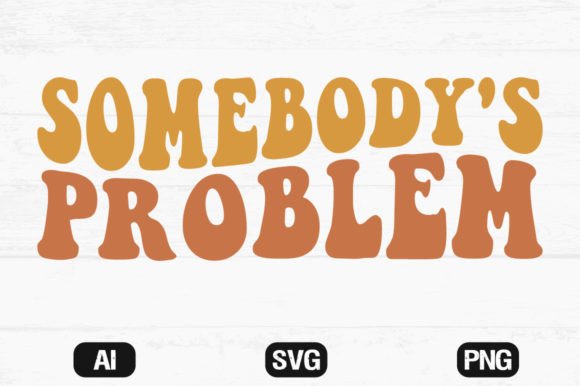
As a designer who spends half my day digitizing files and the other half worrying about how they will stitch out on actual fabric, I approach every new asset with a healthy dose of skepticism. The digital marketplace is flooded with "retro" graphics that look great on a screen but turn into muddy, tangled messes once they hit the hoop. Recently, I came across Somebody s Problem Wavy Retro Svg Design, and it immediately caught my eye—not just for its aesthetic, but for its potential utility in real-world craft business scenarios. This review isn't just about whether it looks cool; it's about whether it works when you are trying to ship a custom order to an Etsy buyer by Friday.
The First Impression: Mood and Visual Personality
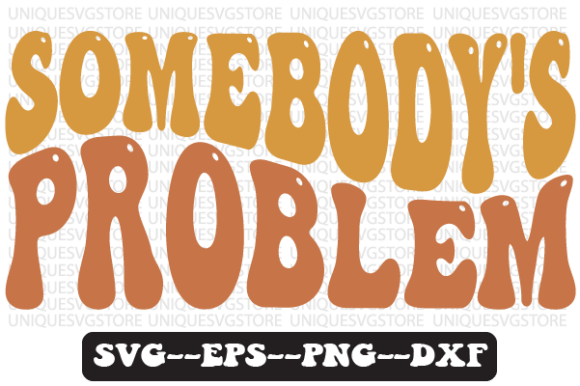
The moment you load this file into your vector software or embroidery digitizing program, the vibe is unmistakable. It taps directly into that groovy, late-sixties psychedelic wave aesthetic without crossing into cluttered chaos. The wavy lines have a fluidity that suggests movement, which is tricky to achieve in static textile art. For designers looking to create custom apparel or personalized gifts, this design offers a strong visual hook. It feels nostalgic yet modern, making it versatile enough for a wide range of demographics.
What stands out most is the balance between detail and simplicity. In the world of machine embroidery design, less is often more because thread cannot replicate the infinite resolution of pixels. This embroidery file seems to understand that limitation. The curves are bold enough to be read from a distance, which is crucial for items like tote bags or sweatshirts where the viewer won't be standing inches away. It has a playful attitude—"somebody else's problem"—that resonates well with younger audiences and those looking for humorous, relatable statement pieces. It’s not just a graphic; it’s a mood board come to life, ready to be translated into a tangible handmade product.
Real-World Application: Where Does It Fit?
I put this design through a mental stress test, imagining it on various substrates. The first scenario that came to mind was a batch of oversized cotton tote bags for a local farmers market. The wavy retro style pairs beautifully with natural canvas or muted earth tones. When stitched, the design would likely serve as a striking focal point on the front panel. Because it is a tote bag design candidate, the layout needs to be robust, and this one appears to hold its shape well even if scaled down slightly.
Another strong use case is sweatshirt embroidery. Think of a heather grey or olive green crewneck. Placing this embroidery project centered on the chest or slightly off-center on the back creates an instant boutique feel. The retro theme fits perfectly with current fashion trends that favor comfort and nostalgia. It also translates surprisingly well to kitchen textiles. A set of tea towels featuring this wavy retro svg design could add a touch of humor and style to a modern farmhouse kitchen. It’s a smart move for any Etsy seller looking to diversify their listings beyond standard apparel.
For those in the craft business space, this design is also excellent for baby items. While the phrase might seem edgy for infants, the visual style—the soft waves and groovy colors—can be softened with pastel thread choices. Imagine a onesie or a nursery wall hanging where the text is secondary to the artistic flow. It becomes a piece of nursery decor rather than just a shirt. This versatility increases the perceived value of the asset, allowing you to market it to multiple niches simultaneously.
Technical Considerations and Stitch Behavior
Visual appeal means nothing if the stitching fails. Here is where practical judgment comes in. The wavy nature of this design requires careful attention to stitch density. If the fill areas are too dense, the fabric will pucker, ruining the clean lines of the waves. Conversely, if the stitches are too sparse, the underlying fabric texture will show through unevenly, creating a patchy look. I always advise checking the stabilizer choice before committing to production. For a design with flowing curves, a cut-away stabilizer is often safer for woven fabrics to prevent distortion during washing.
Thread color selection is another critical factor. This graphics category item relies heavily on contrast. On dark fabrics, using high-contrast threads like bright yellow, electric blue, or crisp white will make the wavy lines pop. However, on light fabrics, you need to be careful with low-contrast colors, as the design might get lost. Testing the thread colors on scrap fabric is non-negotiable. I recommend running a black-and-white mockup first to ensure the shapes remain distinct regardless of hue.
Also, consider the hoop size. If you plan to place this on smaller items like caps or embroidered patches, you must verify that the design scales down without losing its character. Tiny lettering or thin wave lines can become illegible blobs when reduced. Always inspect small details at 100% zoom before finalizing your digitization or purchase. If the original vector file lacks sufficient resolution in certain areas, you may encounter jagged edges when converted to an embroidery file.
Where to Use With Caution
- Small Hoop Sizes: Avoid placing this on very small accessories unless you have confirmed the minimum safe scale for clarity.
- Textured Fabrics: Heavily textured materials like terry cloth or thick fleece can obscure the fine details of the waves.
- Stretchy Fabrics: Knits require additional stabilization to prevent the wavy lines from distorting during wear.
- Dense Stitch Areas: If the design includes large solid fills, ensure your machine can handle the thickness without breaking needles.
Final Verdict for Creative Entrepreneurs
Somebody s Problem Wavy Retro Svg Design is more than just a cute clipart image; it is a functional tool for creators. Its strength lies in its adaptability. Whether you are producing commercial embroidery for a boutique brand or making unique personalized gifts for friends, this design delivers a professional finish. It supports a cohesive brand identity for shops focusing on retro, vintage, or humorous aesthetics.
Before adding this to your inventory, remember to check the licensing terms. Ensure you have the right to sell finished products made from this digital product seller asset. Also, confirm the file formats provided (DXF, EPS, SVG) align with your workflow. If you are converting these vectors to embroidery format yourself, pay close attention to the conversion settings to maintain the integrity of the curves.
In summary, this design earns its place in the toolkit of any serious crafter or small business owner. It balances artistic flair with practical application, offering a high return on investment in terms of customer engagement and sales potential. Just remember: test first, stitch carefully, and let the groovy vibes do the talking.