River Junkie Retro Svg Review
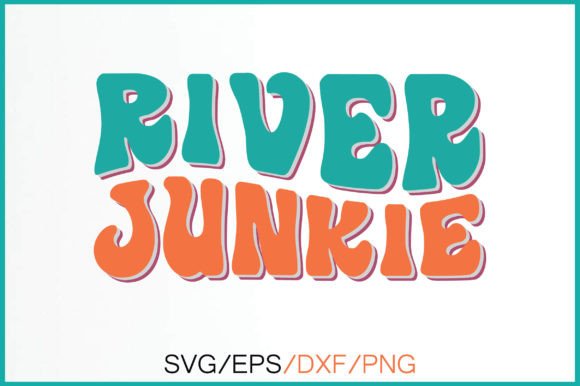
As a designer who spends half my life staring at stitch plots and the other half worrying about whether a customer’s washing machine will destroy their purchase, I approach every new download with a healthy dose of skepticism. We have all seen designs that look beautiful on screen but turn into a tangled mess of thread once they hit the hoop. That is exactly why I decided to put River Junkie Retro Svg through its paces before committing it to any client work or personal project. This isn't just another generic graphic; it is a specific aesthetic choice that demands careful consideration regarding fabric, placement, and finishing.
The immediate first impression of this design is one of nostalgic warmth. The "retro" aspect suggests a vintage typography or illustrative style that resonates deeply with current trends in handmade goods. It feels relaxed, outdoorsy, and slightly rebellious without being aggressive. For an embroidery project, this mood translates well to items that are meant to be lived in rather than just worn for show. When I look at the vector structure, I am looking for clarity in the lines and a balance between detail and simplicity. Too much intricate detail can lead to needle breaks or thread snags, while too little can make the final product look flat and uninteresting. In this case, the layout seems to strike a comfortable middle ground, offering enough visual personality to stand out on a plain background without requiring a massive hoop size to do justice.
Real-World Application: From Screen to Stitch
I often imagine these designs in specific scenarios to test their viability. For River Junkie Retro Svg, my mind immediately went to a custom embroidered tote bag. There is something inherently fitting about pairing a river-themed graphic with canvas or cotton twill. However, as any seasoned crafter knows, the surface matters immensely. On a sturdy tote bag, the design would hold its shape beautifully. The retro aesthetic pairs exceptionally well with earth tones—olive greens, mustard yellows, or deep navy blues—which are staples in the craft business right now.
Another strong candidate for this file is a sweatshirt or a heavy cotton t-shirt. The casual nature of the theme aligns perfectly with streetwear and comfort-focused apparel. If you are an Etsy seller or running a small shop product line, this design has high potential for personalized gifts. Imagine a father’s day gift featuring this motif on a high-quality hoodie. The emotional connection to the outdoors combined with the personal touch of embroidery creates a higher perceived value than a standard printed graphic. It signals effort and care, which is crucial for building customer trust and encouraging repeat buyers.
Beyond apparel, I see this working well as an embroidered patch for denim jackets or backpacks. Patches allow for a bit more experimentation with texture and dimension. You could use a combination of satin stitch for outlines and fill stitch for solid areas to give it a tactile quality. Alternatively, using it on kitchen towels or aprons adds a charming, rustic touch to home decor. The versatility of the file formats included—SVG, EPS, DXF, and PNG—means you are not locked into one method of production. You can digitize it yourself if you have the skills, or use the raster images for mockups to preview how it might look on different products before investing time in stitching.
Navigating Technical Challenges
While the concept is strong, execution is where things can go wrong. One area to watch closely is the interaction between the design and textured fabrics. If you plan to stitch this onto a chunky knit sweater or a rough burlap sack, the fine details of the retro font or illustration may get lost in the weave. In such cases, the contrast between the thread and the fabric becomes critical. Light threads on dark, textured backgrounds can disappear, while dark threads on light fabrics might look harsh if the density is too high.
Stretchy fabrics present another hurdle. Garments like leggings or fitted athletic wear require designs that can move with the material without puckering. A dense fill stitch might cause the fabric to bunch up, ruining the drape of the garment. For these applications, a lighter stitch density or a simpler outline version of the design would be preferable. Always check the stitch density settings in your software before sending the file to the machine. If the design calls for excessive overlapping stitches, consider simplifying the internal details to maintain flexibility.
Small hoop sizes also demand scrutiny. If you are creating baby embroidery items, such as bibs or burp cloths, space is limited. You need to ensure that the smallest elements of the River Junkie Retro Svg are large enough to be stitched cleanly. Tiny lettering or thin lines can merge together during the stitching process, resulting in a muddy appearance. It is wise to inspect the design in black and white mockups to judge the negative space. Good negative space allows the eye to rest and makes the primary subject pop. Without adequate breathing room, even a beautiful design can feel cluttered and overwhelming.
Design Assets and Professional Presentation
For digital product sellers and creative entrepreneurs, the way you present your finished product is just as important as the product itself. High-quality printable mockups can make a significant difference in buyer engagement. Because the source files include SVG and EPS vectors, you can scale the design infinitely without losing resolution. This means you can create crisp, professional-looking previews for your online store, regardless of the screen size. Consistency in your brand presentation helps establish authority and reliability.
Furthermore, considering the commercial embroidery aspect, it is vital to think about longevity. Customers expect handmade products to withstand regular use and washing. Designs that rely heavily on delicate, unsupported threads are prone to fraying over time. By testing the design on scrap fabric first, you can identify potential weak points. Try washing and drying the sample multiple times to see how the stabilizer holds up and whether the threads retain their color and sheen. This due diligence protects your reputation and reduces the likelihood of returns or negative reviews.
When selecting thread colors, aim for harmony rather than just contrast. A retro theme often benefits from muted, vintage-inspired palettes rather than neon brights. Think about how the colors interact with each other and with the base fabric. Proper stabilizer usage cannot be overstated; it provides the foundation for clean stitching. Using the wrong type of stabilizer for your fabric weight can lead to misalignment or distortion. Take the time to match your materials correctly.
Ultimately, River Junkie Retro Svg offers a compelling option for makers looking to add a touch of nostalgia and personality to their projects. Whether you are crafting a heartfelt gift for a loved one or developing a new line of boutique branding items, this design provides a solid foundation. Its adaptability across various mediums—from soft apparel to sturdy accessories—makes it a valuable addition to your design assets. Just remember to respect the technical limitations of embroidery, test thoroughly, and prioritize quality in every stitch. By doing so, you transform a simple digital file into a cherished physical object that people will want to keep and use for years to come.