Reviewing Authentic Wavy Retro Svg Design
As a designer who spends half my life staring at stitch maps and the other half trying to sell handmade goods, I don’t have time for designs that look good on screen but fall apart under the needle. When I first pulled up Authentic Wavy Retro Svg Design, I wasn’t just looking at pixels; I was immediately thinking about how this would translate into thread. The product description lists it as an SVG and EPS file, which is great for digital use, but for us in the embroidery world, the real question is always: does it stitch well? Does it hold up after twenty washes? And most importantly, will it make my customers stop scrolling?
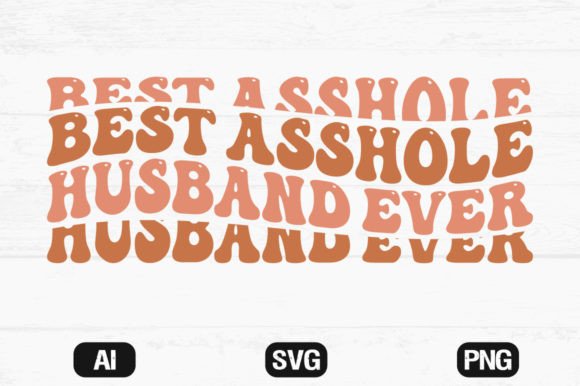
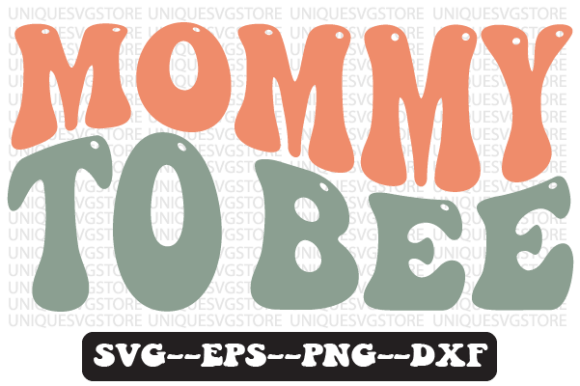
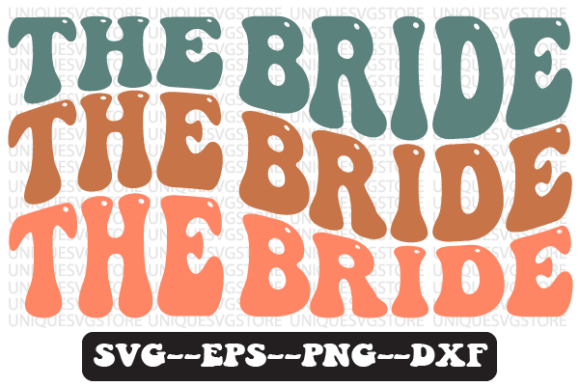
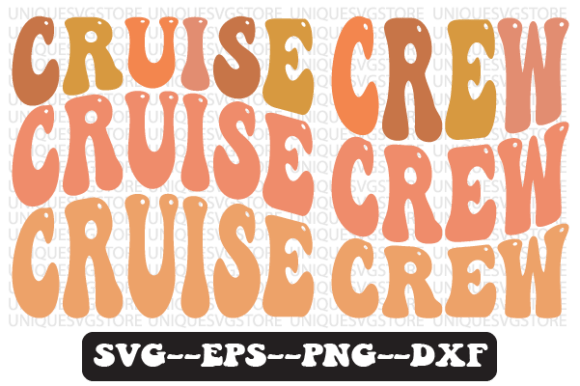
This piece carries a distinct "groovy" energy. It’s not just a generic wave; it has that specific mid-century modern flair that taps into nostalgia without feeling dated. For a small business owner or an Etsy seller, this kind of visual personality is gold. It feels intentional. It feels like something someone would proudly wear to a coffee shop or hang on their kitchen wall. But before we talk about sales, let’s talk about execution.
First Impressions and Visual Mood
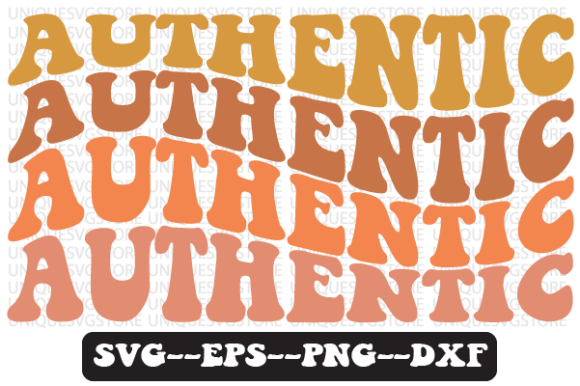
The first thing that strikes you about Authentic Wavy Retro Svg Design is its flow. In the world of machine embroidery design, lines are your best friend if they are clean, and curves can be your worst enemy if they are too complex. This design leans heavily into smooth, sweeping curves. That creates a mood that is relaxed, fun, and slightly psychedelic. It fits perfectly into the current trend of "retro futurism" that is dominating craft fairs and boutique shops right now.
Visually, it screams "custom apparel." It has enough boldness to stand out on a dark sweatshirt but enough elegance to work on a lighter tote bag. The layout is balanced, which means it won’t feel top-heavy or awkward when placed on the chest of a garment or centered on a pillow cover. It feels professional. It doesn’t look like a clip-art leftover from 2015; it looks like a brand asset. That distinction matters because buyers can tell the difference between a mass-produced item and a thoughtfully designed handmade product.
Real-World Application: Where It Shines
I spent some time mentally mapping out where this embroidery file would actually live in a production workflow. Here is where I see the biggest potential:
- Custom Apparel and Sweatshirts: This is the obvious winner. A retro wave pattern embroidered on the back of a heavyweight cotton hoodie or across the chest of a vintage-wash t-shirt hits all the right notes. The wavy lines mimic the natural drape of fabric, so it moves with the wearer rather than fighting against it.
- Tote Bags and Canvas Goods: For the craft business crowd, this is a staple item. A canvas tote with this design stitched in contrasting thread colors becomes a walking billboard for your brand. It’s practical, reusable, and stylish—three things modern consumers want.
- Pillow Covers and Home Decor: If you are selling to people who love cozy interiors, placing this on a linen or cotton blend pillow cover adds a pop of color. It works especially well in nursery decor or living room accents where you want a touch of whimsy without being childish.
- Personalized Gifts: Think about holiday gifts or wedding favors. A set of embroidered tea towels or aprons featuring this design feels personal and thoughtful. It’s the kind of gift that says, "I put effort into this," which justifies a higher price point for your small shop product.
However, keep in mind that while the source files are listed as SVG and DXF/EPS, which are vector formats often used for cutting machines (like Cricut), using them for machine embroidery requires conversion. You need to ensure those vectors translate into proper stitch types—satin stitch for outlines and fill stitch for larger areas. If the conversion results in jagged edges, the whole retro aesthetic falls apart.
Where to Exercise Caution
No design is perfect for every scenario, and Authentic Wavy Retro Svg Design is no exception. As an experienced reviewer, I have to point out a few areas where you need to be careful:
- Small Hoop Sizes: If you try to cram this entire design into a tiny 4x4 hoop, you might lose detail. The curves need breathing room. If the lines get too close together, the stitches may merge, creating a muddy blob instead of a crisp wave.
- Textured and Stretchy Fabrics: While waves look great on stable fabrics, stretchy knits can distort the shape during stitching unless you use heavy-duty stabilizer. Similarly, highly textured fabrics like chunky wool can hide the definition of the wave, making the design look blurry.
- Dense Stitch Areas: If the design relies on dense fill stitches for the background, it might become stiff. Embroidered patches or caps need to remain somewhat flexible. If the stitch density is too high, the fabric underneath can pucker, ruining the clean lines of the retro theme.
- Dark vs. Light Contrast: This design likely relies on contrast to pop. On dark fabric, you’ll need light threads, and vice versa. Test your thread colors carefully. A low-contrast combination (like navy on black) will disappear, regardless of how good the design is.
Practical Designer Notes for Success
Before you rush to list this on Etsy or start fulfilling client orders, here is my checklist for getting the best result from this digital embroidery file:
Test on Scrap Fabric First: Never assume the digital preview matches the physical output. Stitch this out on the exact type of fabric you plan to sell. Check how the fabric texture interacts with the thread. Does the wave look smooth, or does it catch on the weave?
Check the Stabilizer: The secret to a professional-looking finish is often what you don’t see. Use a cut-away stabilizer for knitwear and a tear-away for woven cottons. This ensures the embroidery project holds its shape over time.
Review Small Details: Zoom in on the corners of the curves. Are there any tiny, isolated stitches that might break easily? If so, consider simplifying the design digitally before stitching. Less is often more in embroidery.
Black and White Mockups: Convert your design to grayscale to check the balance. If the design looks unbalanced in black and white, it will definitely look unbalanced in color. This helps you decide if you need to adjust the spacing or size.
Licensing and Commercial Use: Since this is sold as a digital asset, double-check the license terms. Can you sell finished products? Can you use it in sublimation prints as well? The description mentions sublimation and T-shirts, which suggests versatility, but clarity prevents legal headaches later.
Final Verdict
Authentic Wavy Retro Svg Design is a strong contender for anyone looking to add a touch of nostalgia to their inventory. It bridges the gap between a simple graphic and a sophisticated textile art piece. It works beautifully for custom apparel, personalized gifts, and commercial embroidery projects where brand consistency matters.
It’s not just another clip-art wave; it has character. It has rhythm. And in the world of handmade goods, character is what sells. Just remember to respect the limitations of the medium. Treat it with care, test it thoroughly, and you’ll find that this design pays for itself in customer satisfaction and repeat business. Whether you are a seasoned pro or a hobbyist maker, this design asset adds value to your portfolio and your products.